
Zojila Tunnel: Why India’s Highest Engineering Marvel Is a Game Changer for Connectivity, Security, and Tourism
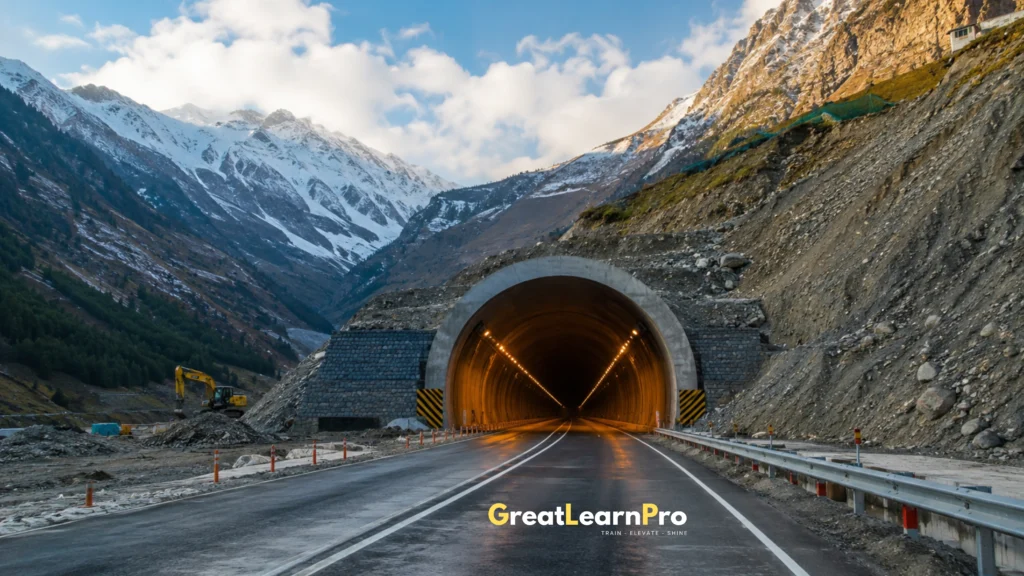
The Zojila Tunnel Breakthrough Marks a Historic Moment for India
For decades, the Zojila Pass has been both a lifeline and a challenge. Connecting Kashmir with Ladakh, this mountain route is notorious for harsh winters, frequent avalanches, and dangerous road conditions that often cut off Ladakh from the rest of India for months.
That reality is about to change.
On June 9, 2026, India achieved a major milestone when engineers completed the breakthrough of the 13.14-kilometre-long Zojila Tunnel—the world’s longest high-altitude road tunnel. Built at an altitude of 11,578 feet and costing around ₹6,800 crore, the project is expected to revolutionize travel, strengthen national security, boost tourism, and provide year-round connectivity between Jammu & Kashmir and Ladakh.
But what makes the Zojila Tunnel such a big deal?
What Is the Zojila Tunnel?
The Zojila Tunnel is a strategic road tunnel connecting Baltal in Kashmir’s Ganderbal district with Meenamarg in Ladakh’s Drass region.
Once operational, it will bypass the treacherous Zojila Pass, a stretch that remains snowbound for nearly four to six months every year.
Key Facts About the Zojila Tunnel
- Length: 13.14 km
- Altitude: 11,578 feet
- Cost: ₹6,800 crore
- Location: Between Baltal (Kashmir) and Meenamarg (Ladakh)
- Status: Breakthrough completed on June 9, 2026
- Expected Opening: Around 2028
- Vehicle Speed Inside Tunnel: Up to 80 km/h
Why Is the Zojila Tunnel a Game Changer?
1. All-Weather Connectivity Between Kashmir and Ladakh
Perhaps the biggest benefit of the tunnel is uninterrupted connectivity.
Every winter, heavy snowfall blocks the Zojila Pass, isolating Ladakh from the Kashmir Valley. Supplies become difficult to transport, travel becomes risky, and thousands of residents face months of limited accessibility.
The tunnel will ensure year-round movement of people, goods, medical supplies, and essential services, regardless of weather conditions.
For the first time, Ladakh will remain connected to the rest of the country throughout the year.
2. Safer Travel Through One of India’s Most Dangerous Mountain Routes
The Zojila Pass has long been considered one of India’s most dangerous roads.
Steep gradients, narrow bends, landslides, snowstorms, and avalanches have made travel risky for both locals and tourists.
The tunnel eliminates many of these hazards.
To maximize safety, the project includes:
- Emergency lighting systems
- Emergency communication networks
- Message-signalling systems
- Radio communication facilities
- Avalanche protection structures
- Advanced monitoring systems
Travel that once required navigating dangerous mountain roads will now be significantly safer and faster.
3. Faster Travel and Reduced Journey Time
Drivers travelling through the Zojila Pass often struggle to maintain speeds above 30-40 km/h due to sharp curves and difficult terrain.
Inside the tunnel, vehicles will be able to travel at speeds of up to 80 km/h.
This will dramatically reduce travel time while improving fuel efficiency and overall transportation reliability.
Why Is the Zojila Tunnel Considered an Engineering Marvel?
Building a tunnel through the Himalayas is never easy. Building one through Zojila is a different challenge altogether.
Engineers had to work in one of the most hostile construction environments in the world.
Extreme Weather Conditions
Temperatures regularly dropped to:
- Minus 20°C on the Kashmir side
- Minus 30°C on the Drass side
Such conditions persisted for nearly 100 days every year.
Constant Avalanche Threat
Construction crews faced repeated avalanche incidents during the project.
Five major avalanches struck the construction zone, resulting in fatalities and rescue operations involving more than 170 stranded workers.
Unpredictable Himalayan Geology
One of the most difficult challenges was the unstable rock formations beneath the mountains.
According to project officials, rock classifications changed 67 times across the tunnel alignment. Engineers frequently had to modify excavation methods to adapt to varying geological conditions.
These challenges make the successful breakthrough a remarkable achievement in modern infrastructure engineering.
How Does the Zojila Tunnel Strengthen India’s Security?
The tunnel is not just an infrastructure project—it is also a strategic asset.
Ladakh shares sensitive borders with both China and Pakistan. Historically, seasonal road closures have limited the movement of military personnel, vehicles, and equipment.
The Zojila Tunnel will provide year-round access to military installations in Ladakh, enabling faster deployment and more reliable logistics.
Defence experts believe the project will significantly improve India’s operational readiness along both the Line of Control (LoC) and the Line of Actual Control (LAC).
This strategic importance is one of the reasons why the tunnel has been described as a “game changer” for national security.
What Does the Zojila Tunnel Mean for Local Communities?
For residents of Kargil, Drass, and other remote areas of Ladakh, the impact will be life-changing.
For decades, winter isolation has affected:
- Access to healthcare
- Education
- Essential supplies
- Business activity
- Emergency services
The tunnel will ensure continuous access to markets, hospitals, schools, and government services.
It is expected to improve quality of life while creating new economic opportunities across the region.
Will the Tunnel Boost Tourism in Ladakh?
Absolutely.
The tunnel is expected to make Ladakh more accessible throughout the year, opening new possibilities for tourism and adventure travel.
Destinations such as:
- Drass
- Sonamarg
- Baltal
- Kargil
could witness a surge in visitors.
Adventure tourism, winter sports, skiing, trekking, and road trips are all likely to benefit from improved accessibility.
The Amarnath Yatra will also become safer and more convenient, as Baltal serves as one of the pilgrimage’s key base camps.
When Will the Zojila Tunnel Open for Public Use?
Although the breakthrough has been achieved, several stages of construction remain.
Engineers are currently working on:
- Water seepage management
- Tunnel finishing works
- Electronic systems installation
- Safety infrastructure
- Testing and commissioning
Officials estimate that the tunnel could become fully operational for civilian traffic within the next two years, with a likely opening around 2028.
However, authorities may use the tunnel earlier in emergencies or for strategic military requirements.
Conclusion
The Zojila Tunnel is more than a road project. It is a transformational infrastructure initiative that promises to connect people, strengthen national security, improve safety, and unlock economic opportunities across the Himalayas.
By conquering one of the toughest mountain terrains in the world, India has demonstrated its growing engineering capabilities and long-term commitment to regional development. Once operational, the tunnel will ensure that Ladakh is never again cut off by winter, marking the beginning of a new era of connectivity and resilience in the region.
More Current Affairs: https://greatlearnpro.com/updates/